By Heloisa Fern Quenlake. Publisher: Aurora Arcade Shared Spaces Quarterly.
Dinner finishes, chairs move back and a shared evening becomes several possible evenings. One person wants music, another a quiet seat, another a look at the casino. Resort public rooms connect those choices. Their usefulness lies in routes, seating and recognisable meeting points, as well as the atmosphere suggested by neon lighting or a dramatic rooftop description.
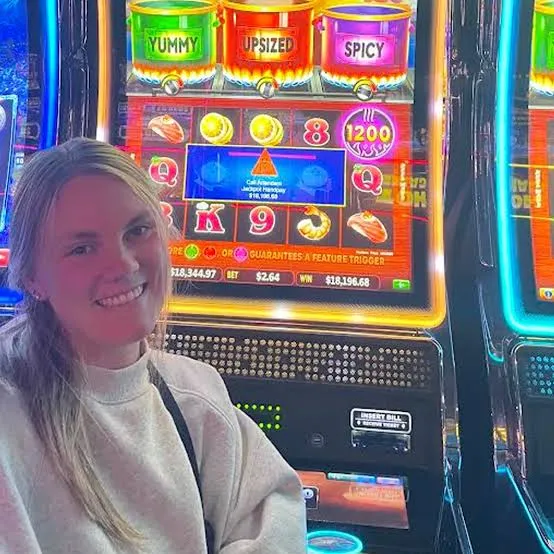
Read the connections between venues
Aurora Arcade Hotel’s introduction places dining, entertainment, rooftop views and gaming within one resort story. That description does not establish how those spaces connect or what is available on a particular night. For a 2026 visit, confirm the arrangements that matter to your plan directly. A short route on a building diagram may involve a lift, a separate entrance or an outdoor stretch.
Walk the relevant route while there is no pressure to reach a performance. Notice the return direction, changes of level and places where people tend to wait. If steps or long corridors are difficult, ask about a suitable route before committing to the evening. The design of a public area is most useful when it supports the people using it, including someone who wants to leave early.
Plan the interval before choosing activities
- Confirm the dinner arrangement and any separate venue requirements.
- Locate the route between the meal, meeting place and guest rooms.
- Agree when to reconnect, with an easy option to change the plan.
Choose a place that can be described
A useful meeting point has a stable name and a recognisable feature. “Near the casino” may cover several doors, while a named reception desk is more precise. Check that the chosen place is accessible to everyone in the group and suitable for waiting. A busy doorway can be easy to find but uncomfortable to occupy, particularly when people are moving through it after a show.
Seating changes the quality of an interval. A chair facing a speaker may be less restful than one around a corner, and a low decorative table may not suit every guest. Look for a place where conversation is possible without requiring another purchase or an activity everyone must join. Availability should be checked on the evening; a photograph cannot reserve a seat.
| Space | Useful role | Question |
|---|---|---|
| Reception area | A recognisable reference point | Where can guests wait comfortably? |
| Lounge | A pause for conversation | How does the sound level change later? |
| Venue entrance | A short rendezvous | Can the group meet without blocking access? |
Let companions spend time differently
A first casino visit can begin with questions rather than play. Ask staff about entry arrangements, observation and the rules of the particular table before taking a seat. Treat any spending as optional entertainment with a limit chosen in advance. Someone who prefers a lounge or an early night should have an equally clear route and meeting plan, without becoming the group’s waiting person.
- Keep the shared meal independent of anyone’s gaming result.
- Make an early return to the room an ordinary option.
- Use a clear message if the agreed meeting time changes.
The private room is part of this public-space plan. The suite layout review considers companions with different resting hours. A screen-based interval raises separate questions covered in the iGaming round article. Both point towards the same practical courtesy: agree on sound, time and expectations before another person’s evening is affected.
Author’s opinion
I judge resort public rooms by whether they make different preferences easy to accommodate. A memorable lounge gives people somewhere to be, rather than merely somewhere to pass through on the way to spending. I would build the evening around a meal and a clear meeting place, then leave the rest flexible. The best shared plan allows each person to enjoy a different final chapter.